Bedford County Farmers Market
The Bedford County Farmers Market is open for the 2026 season! Thursdays at 3:30 -5:30 p.m. at the Celebration Pavilion under the blue water tower in front of Cooper Steel Arena in Shelbyville. Parking is free (ignore the signs) so come on in!
What’s in Season for Late Summer?
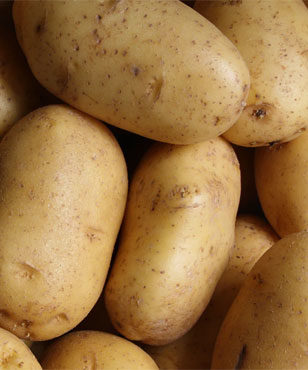
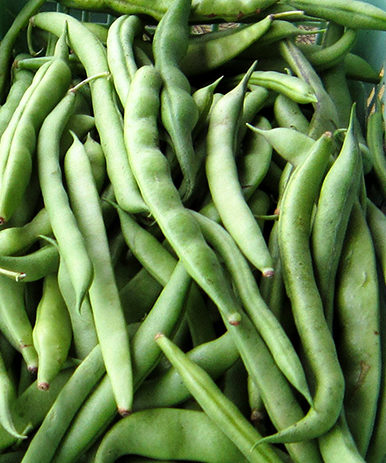
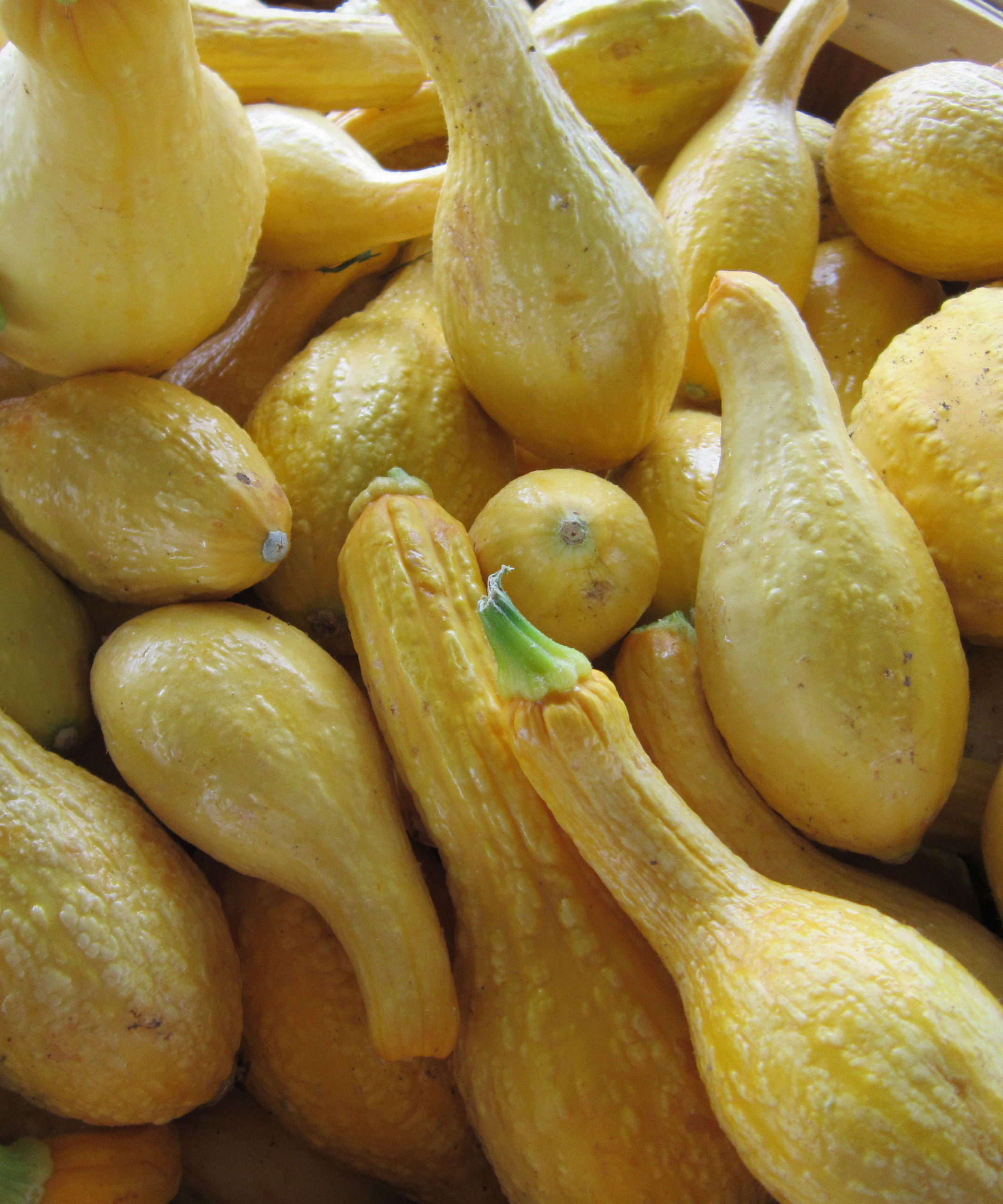
Tomatoes, Yellow Squash, Potatoes, Peppers, Cabbage, Okra, Cantaloupe, Watermelon, Eggplant, Cucumbers, Snapbeans, Wax Beans, Limas, Pole Beans
What’s Cooking Now?
Basil!
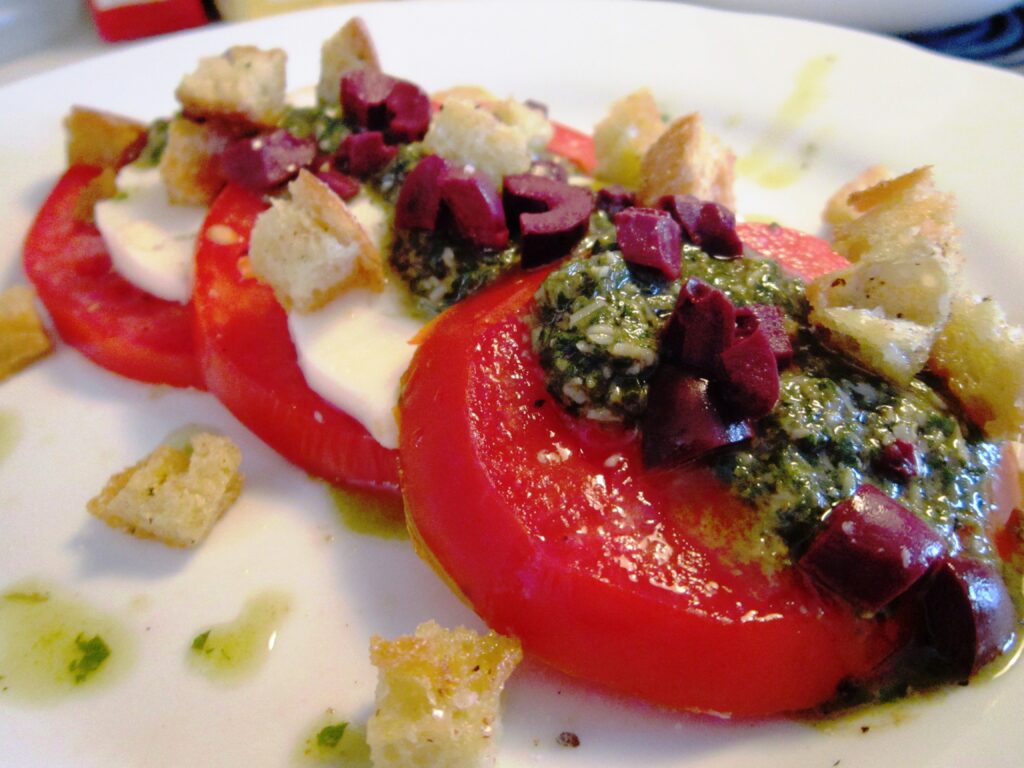
The summer is winding down but the tomatoes are still coming in and along with them a very good friend—Basil. Herbs are so easy to grow and add so much to summer produce recipes. Just one plant can provide a season of flavor. Basil is a natural flavor partner with tomatoes and only lasts during the summer so its time to take advantage.
One of the most common and tasty ways to use basil is in pesto. This sauce made from fresh basil leaves, pine nuts, garlic, Parmesan cheese and olive oil can perk up pasta dishes, make a sauce for pizzas and be used as a salad dressing among many other uses. All you need is a food processor and a garden with a basil plant. Store leftover pesto in the refrigerator, covered with a layer of olive oil in a jar with a lid.
Basil is also commonly used with tomatoes in Tomato-Basil Soup. A classic by itself, topped with croutons or on the side of a grilled cheese sandwich. Basil also pairs well with corn, another summer staple from the garden or farmers market.
Basil does not like the cold—below 45 degrees F. So you need to use it up before the first frost. Clip stems off often to keep the plant bushy and growing. The more you use it, the more it will grow. It will want to flower and stop producing towards the end of the season. If you still want leaves, clip the flowers off.
Use a sharp knife to cut basil as it will bruise easily and turn dark. Roll up the leaves and chop with a swift, sharp action. You can cut it into shreds (chiffonade) or chop it.
So take advantage of the end of summer with fresh produce and basil!
Here are a few recipes to try:
Italian Zucchini Shreds with Basil Buttermilk Dressing
Tomato Salad with Pesto Dressing
Spaghetti with Fresh Tomato Basil Sauce
Citrus Basil Farmers Market Pasta Salad
Check out the Produce Information Pages Below:
Eat Seasonally!
Seasonal Eating is all about eating what is growing here and now. A tomato doesn’t taste nearly as good in January when it is out-of-season as it does in July when it comes directly from the grower to you or to the grocery store. Produce eaten when it is in-season tastes better and maintains more of its nutrients. Eating with the seasons also helps reduce transportation, saving gas and emissions, as well as helps to support our local growers and local economy.
To eat seasonally, try growing your own produce this Spring and Summer to use throughout the growing season and preserve what you can’t use through freezing or canning. Another option is to frequent the local farmer’s markets. Even when shopping at the grocery stores, focus on what is seasonal for that month.
To see what is growing in Tennessee each month take a look at the Seasonal Eating Chart for Tennessee.
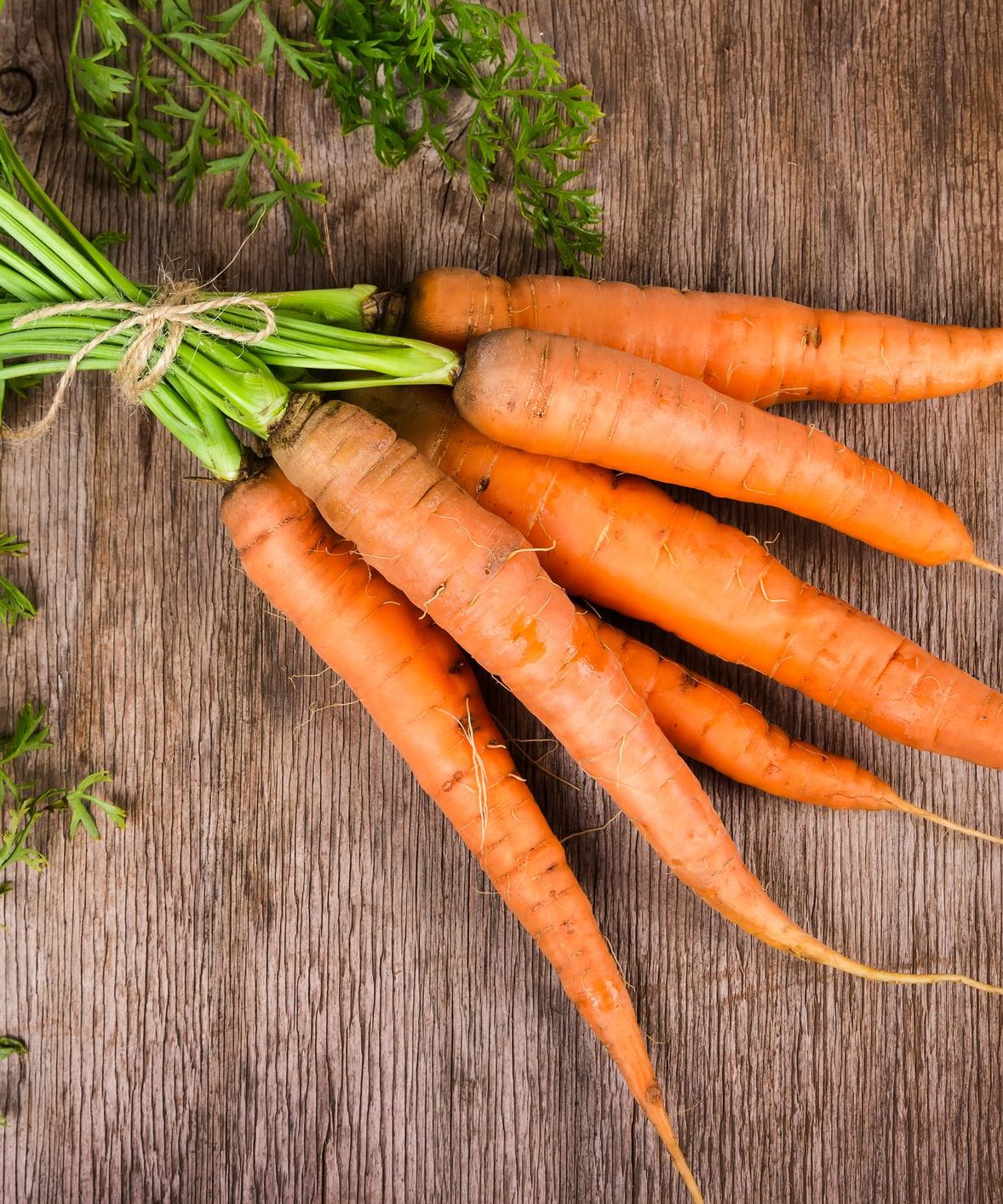
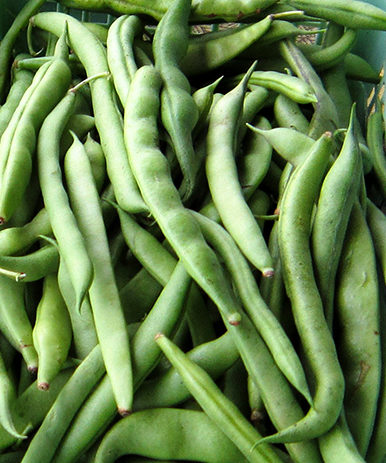
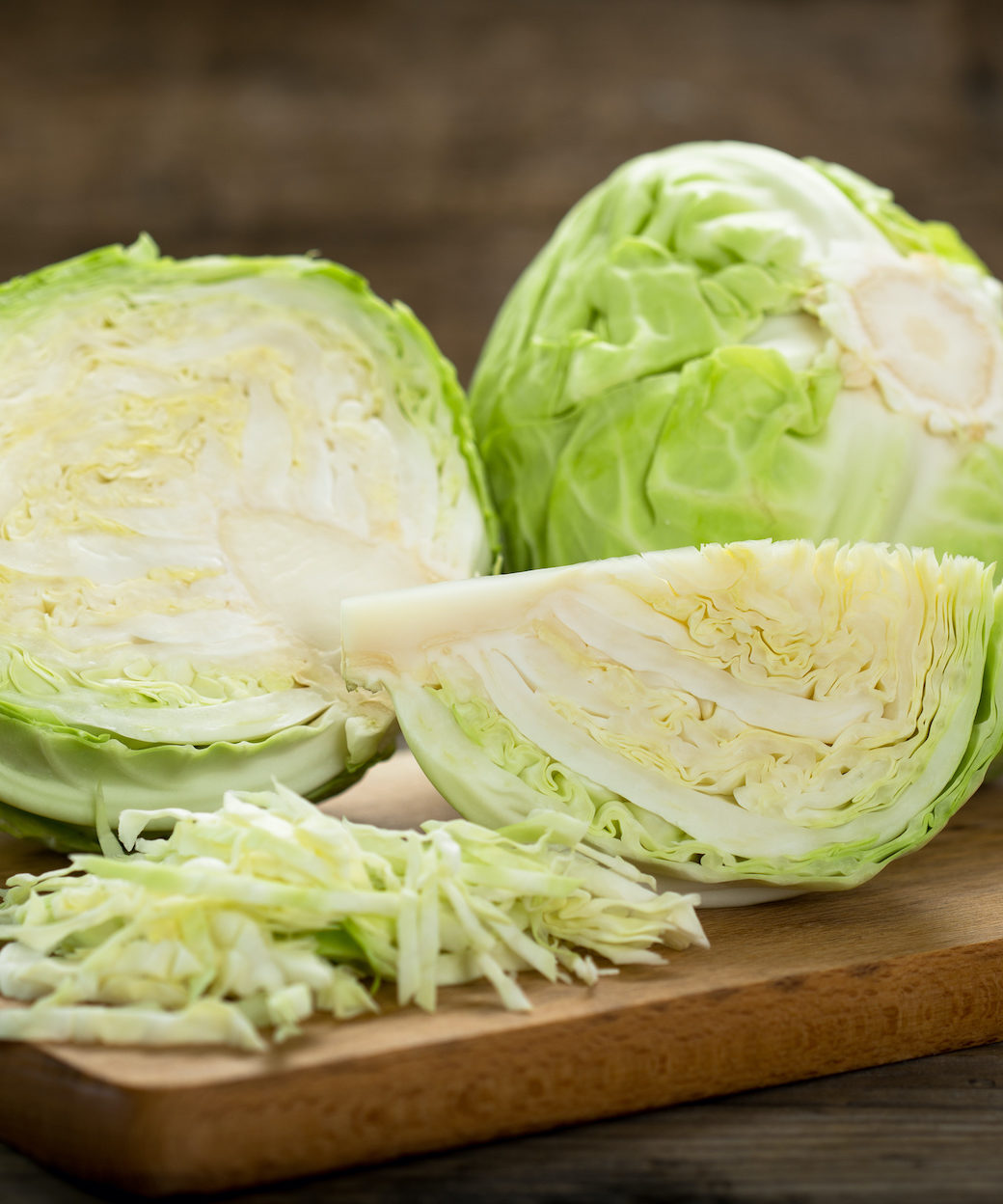
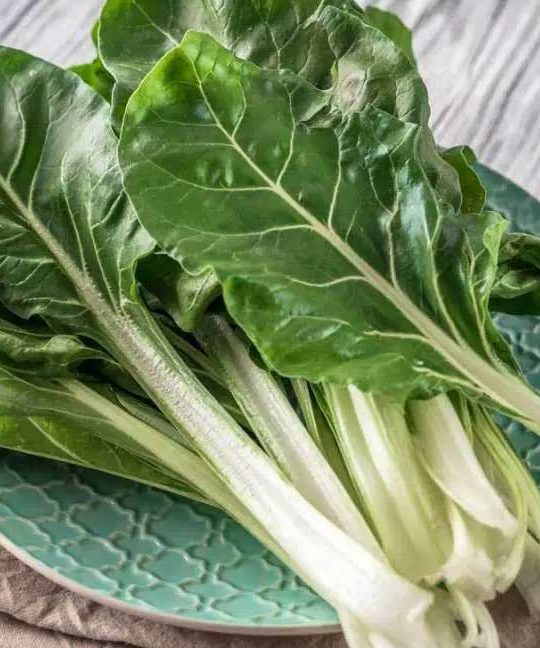
The Seasonal Kitchen Videos:

Publications
The NEW publication site is an enhanced experience featuring an intuitive interface, powerful search tools, and nearly 3,000 resource pages with summaries, downloadable PDFs, and related content. Try it out!
Start here by exploring the links below: